

Exploring the cultural significance of gambling in modern society
Exploring the cultural significance of gambling in modern society
The Historical Context of Gambling
Gambling has deep roots in human civilization, tracing back thousands of years to ancient cultures. Early forms of gambling can be observed in archaeological sites, where artifacts such as dice and betting tokens have been discovered. These findings indicate that gambling was not only a form of entertainment but also served as a social activity that brought communities together. In many ancient societies, games of chance were often linked to rituals and religious practices, revealing the complex cultural significance attributed to gambling. New players today can benefit from some amazing opportunities, such as stay casino 20 free spins no deposit, which helps to enhance their experience right from the start.
As time progressed, gambling evolved, incorporating various games and betting systems that reflected the norms and values of different societies. For example, in ancient Rome, betting on gladiatorial games was commonplace and was seen as an integral part of social life. Similarly, in medieval Europe, card games became popular among the nobility, highlighting how gambling was intertwined with social status and power dynamics. The transformation of gambling practices over the centuries showcases its adaptability and enduring presence across cultures.
In contemporary society, the historical context of gambling continues to influence perceptions and practices. Traditional games have given way to modern adaptations, such as online casinos and sports betting, which have become integral parts of popular culture. This evolution demonstrates how gambling remains relevant by continuously adapting to technological advancements and societal changes, thus shaping its cultural significance in today’s world.
The Psychological Appeal of Gambling
The allure of gambling lies not only in the potential financial gain but also in the psychological thrill it provides. Many people are drawn to the excitement and suspense that accompany games of chance. The anticipation of winning can lead to feelings of exhilaration, making gambling a compelling form of entertainment. This psychological aspect is often enhanced in environments designed to stimulate the senses, such as brightly lit casinos and engaging online platforms.
Moreover, gambling can serve as an escape from everyday life, offering individuals a temporary reprieve from their responsibilities and stresses. The immersive nature of gambling creates an environment where players can lose themselves in the game, allowing them to experience a sense of freedom and excitement that may be lacking in their daily routines. This need for escapism is particularly pronounced in modern society, where the pressures of work and life can be overwhelming.
However, this psychological appeal can also lead to problematic gambling behaviors. The thrill of winning can create a cycle of reinforcement that encourages individuals to gamble more frequently. This highlights the dual nature of gambling as both an enjoyable pastime and a potential source of addiction, raising important questions about responsible gambling practices and the role of societal attitudes toward gambling.
The Social Dynamics of Gambling
Gambling serves as a social activity that fosters connections among individuals. Whether it’s a group of friends gathering for a night of poker or families participating in lottery games, gambling often brings people together. This social aspect can enhance the enjoyment of the activity, creating shared experiences and memories that strengthen relationships. Many people view gambling as a bonding experience, where laughter and excitement are exchanged over games of chance.
In addition to personal relationships, gambling also has broader social implications. It can be a significant source of revenue for local economies, particularly in regions where casinos and betting establishments are prevalent. The influx of tourists and the jobs created within the gambling industry can have a positive impact on community development. However, this economic benefit must be weighed against potential social costs, such as gambling addiction and its effects on families and communities.
Furthermore, social attitudes toward gambling vary widely across cultures. In some societies, gambling is celebrated as a form of entertainment and leisure, while in others, it may be viewed with skepticism or disapproval. These differing perspectives shape the ways in which gambling is integrated into social norms and practices, influencing everything from regulatory policies to public perceptions of gambling-related issues.
The Role of Technology in Gambling
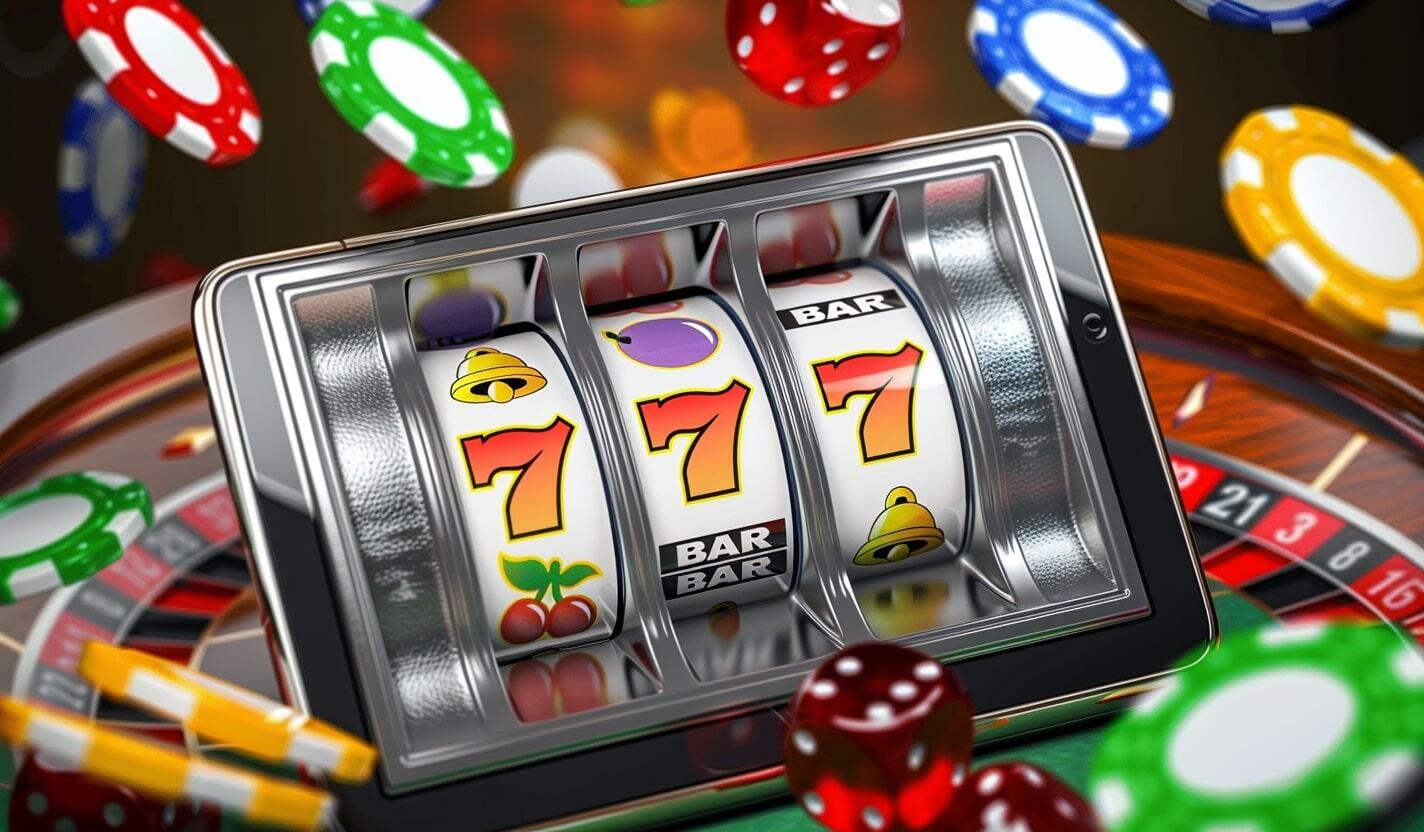
The advent of technology has revolutionized the gambling landscape, making it more accessible than ever before. Online casinos and mobile gaming applications have transformed traditional gambling, allowing individuals to play from virtually anywhere at any time. This convenience has attracted a new generation of gamblers who prefer the ease of digital platforms over physical casinos. Furthermore, technological advancements have led to the development of innovative games that enhance user engagement through interactive features and immersive experiences.
Moreover, the integration of social media into online gambling has introduced new dimensions to the activity. Players can now share their experiences, strategies, and achievements with a broader audience, fostering a sense of community that transcends geographical boundaries. This connectivity adds a social layer to gambling, encouraging individuals to engage with each other and share their passion for gaming.
However, the rise of technology in gambling raises important questions regarding regulation and responsible gaming practices. Issues such as data privacy, addiction, and the promotion of gambling to vulnerable populations are critical concerns that need to be addressed. As the industry continues to evolve, it is essential for stakeholders to prioritize player protection while embracing the benefits that technology brings to the gambling experience.

Stay Casino: A Modern Gambling Experience
As the gambling landscape continues to evolve, platforms like Stay Casino offer an exciting online gaming experience that caters to modern players. With an extensive selection of over 4,000 games, Stay Casino appeals to a diverse audience, ensuring that everyone can find something that suits their preferences. The wide variety of games, from classic table games to innovative slots, reflects the dynamic nature of contemporary gambling, where entertainment value is paramount.
Additionally, Stay Casino provides generous bonus packages, including a welcoming bonus for new users, which enhances the overall gaming experience. Ongoing promotions such as free spins and weekend reload bonuses ensure that players always have something to look forward to, fostering a sense of excitement and engagement. The commitment to player satisfaction is evident in the dedicated customer support available around the clock, making it a reliable choice for those seeking a seamless gambling experience.
Ultimately, Stay Casino exemplifies how modern technology and traditional gaming elements can be harmoniously combined to create a captivating gambling environment. As the cultural significance of gambling continues to evolve, platforms like Stay Casino play a crucial role in shaping the future of this multifaceted industry, ensuring that it remains a vibrant part of modern society.